 North Fork (631) 298-8181


Seasonal Home Plumbing Maintenance in the Hamptons
Seasonal home plumbing maintenance is essential for protecting Hamptons homeowners’ vacation properties year-round. Whether you own a summer house in the Hamptons or a seasonal property on the East End, plumbing problems can develop while the home sits empty. A small leak or unprotected pipe may go unnoticed until you return.
With a few simple checks before closing your home and before reopening it, you can help prevent unexpected repairs and keep your plumbing system in good condition.
Why Is Plumbing Maintenance Important for Seasonal Homes?
Seasonal homes often remain vacant for weeks or months. During this time, leaks, frozen pipes, and water heater problems may go unnoticed.
Regular seasonal home plumbing maintenance in the Hamptons helps homeowners identify potential issues early, protect vulnerable pipes, and prepare their properties for changing temperatures.
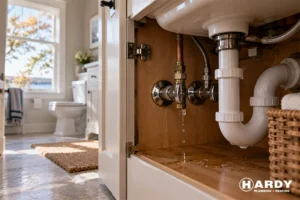
1. Inspect Your Plumbing Before Leaving
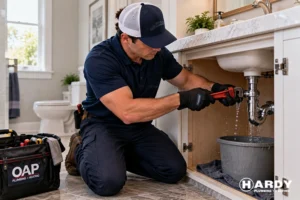
Before leaving your property for an extended period, check visible pipes beneath sinks, around toilets, and near the water heater.
Look for dripping connections, corrosion, damp spots, and unusual moisture. Make sure toilets aren’t running continuously and check utility areas for signs of water damage.
If you notice a leak, arrange repairs before leaving rather than waiting until you’re a chance. Protect Pipes From Freezing
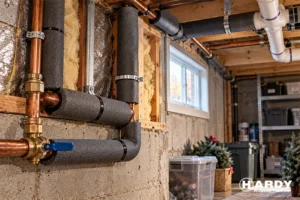
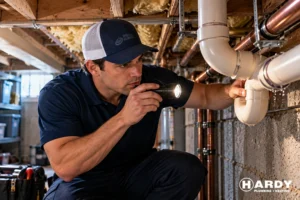
Winter temperatures can put exposed plumbing, particularly in unheated basements, crawl spaces, and exterior walls, at risk. Frozen water can crack or burst pipes, potentially causing significant water damage.
To reduce the risk:
- Insulate exposed pipes where appropriate.
- Seal drafts that allow cold air to reach plumbing.
- Check vulnerable areas for adequate temperature protection.
- Watch for annual winterization for extended vacancies.
Turning off the water alone does not guarantee protection against freezing. A plumber can determine whether draining the system or taking additional precautions is appropriate.
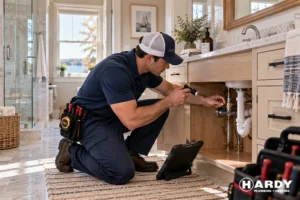
3. Prepare Outdoor Showers and Faucets
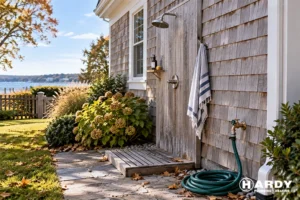
Outdoor showers, garden faucets, hose bibs, and irrigation systems need attention before winter.
Disconnect garden hoses, inspect outdoor fixtures for leaks, and properly winterize vulnerable components. Follow the manufacturer’s instructions when preparing irrigation systems.
Include outdoor showers in your seasonal home plumbing maintenance routine. Their winterization requirements depend on how the plumbing is installed.
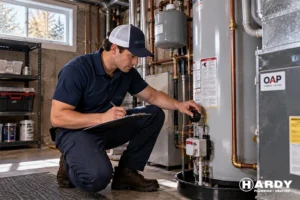
4. Check Your Water Heater
Before reopening your home, inspect the water heater for visible corrosion, moisture, leaks, or unusual damage.
If the unit was shut down, follow the manufacturer’s instructions before returning it to service.
Unusual noises, inconsistent hot water, or water collecting around the unit may indicate a problem. If you suspect damage or a leak, contact a professional before restarting it.
5. Look for Hidden Leaks
Hidden leaks can damage walls, flooring, and cabinets while a seasonal property is empty.
Watch for water stains, peeling paint, musty odors, damp flooring, or unexpected changes in water consumption.
If you suspect a hidden leak, a professional plumber can investigate the source and recommend suitable repairs.
6. Check Drains and Toilets Before Reopening
Before your next stay, check sinks, tubs, showers, and toilets.
Make sure water drains normally, toilets flush properly, and faucets operate without leaks. Persistent odors or several slow drains may indicate a problem farther along the drainage system.
Professional drain cleaning or a pipe inspection may help identify the cause.
7. Schedule Professional Plumbing Maintenance
A professional inspection can identify problems that a quick walkthrough may miss. This is particularly useful for older homes, properties with outdoor plumbing, and houses that remain vacant through winter.
A plumber can inspect accessible pipes, check for leaks, and discuss suitable winterization and reopening procedures.
When Should You Call a Plumber?
Contact a professional if you notice a burst pipe, a significant leak, persistent water pressure loss, a sewer backup, or a malfunctioning water heater.
If you smell gas, leave immediately, avoid operating electrical switches or creating flames, and contact your gas utility or emergency services from a safe location. Never attempt to repair a gas leak yourself.
Final Thoughts
Seasonal home plumbing maintenance Hamptons homeowners can benefit from starts with inspecting pipes, preparing outdoor fixtures, protecting vulnerable plumbing, and checking water heaters and drains before reopening.
For homes left vacant during colder months, professional winterization can help address risks that a basic walkthrough may miss.
Hardy Plumbing provides plumbing and heating services for East End homeowners. Contact Hardy Plumbing to discuss your seasonal property’s plumbing inspection, leak repair, or winterization needs.
Frequently Asked Questions
1. How often should seasonal homes have plumbing maintenance?
Inspect plumbing before closing your home for an extended vacancy and again before reopening. Older properties or homes with previous plumbing issues may need additional checks.
2. Should I turn off the water when leaving my seasonal home?
Turning off the main water supply can reduce damage from certain leaks, but it does not automatically drain pipes or prevent freezing. Ask a plumber about the right approach for your property.
3. How do I protect outdoor showers from freezing?
Preparation depends on the plumbing design. You may need to shut off the water and drain vulnerable components. A plumber can assess the system.
4. What are the signs of a hidden plumbing leak?
Water stains, musty odors, damp flooring, peeling paint, and unexpected water consumption can indicate a possible leak.
5. Can plumbing problems develop while a home is empty?
Yes. Leaks, frozen pipes, drain problems, and water heater issues can develop while a property is vacant. Regular inspections and winterization can help reduce certain risks.
6. When should I schedule plumbing maintenance?
Arrange an inspection before closing your home for winter and before reopening it for the next season. Address any problems as soon as you discover them.