 North Fork (631) 298-8181


House Opening Plumbing Checklist for East End Seasonal Homes!
Opening a seasonal home after months of winter closure is exciting, especially in the East End where many homeowners return in spring or early summer. However, before enjoying the property, it is very important to check your plumbing system carefully. Cold weather, long shutdown periods, and unused pipes can create hidden issues.
This House Opening Plumbing Checklist for East End Seasonal Homes will help you safely restart your plumbing and avoid costly repairs.
Why a Plumbing Checklist Is Important for Seasonal Homes
Seasonal homes stay closed for months, which increases the chances of leaks, pipe damage, and blocked fixtures. A proper inspection helps:
- Prevent unexpected water leaks
- Protect appliances from damage
- Ensure safe drinking water
- Avoid emergency plumbing repairs
- Save money on future maintenance
Many homeowners rely on experienced local professionals from Hardy Plumbing and Heating to make sure everything works properly before the season begins.
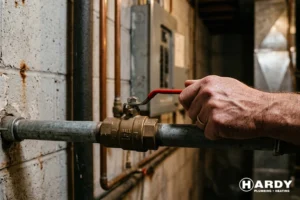
Step 1: Check the Main Water Supply Before Turning It On
Start by locating your main water shut-off valve. Slowly turn the valve on and listen carefully.
Look for:
- Unusual sounds in pipes
- Water dripping from exposed plumbing
- Moisture around basement walls or crawl spaces
Turning the water on slowly helps prevent sudden pressure buildup that could damage pipes after winter closure.
If anything seems unusual, contacting Hardy Plumbing and Heating early can help stop small problems from becoming expensive repairs.
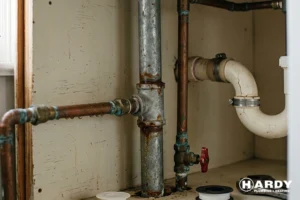
Step 2: Inspect All Visible Pipes for Winter Damage
Cold temperatures can sometimes cause pipes to crack or weaken.
Check areas like:
- Basements
- Crawl spaces
- Under sinks
- Utility rooms
- Outdoor pipe connections
Look for rust, bulging areas, or moisture spots. These signs may indicate hidden leaks.
This step is essential in any seasonal home
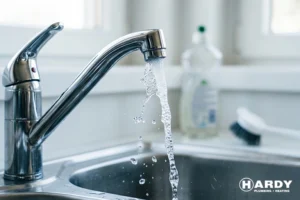
Step 3: Test Faucets One by One
Turn on each faucet slowly throughout the home.
Watch for:
- Low water pressure
- Discoloured water
- Air sputtering from taps
Let the water run for a few minutes to clear the pipes. This helps remove stale water that stayed inside during the off-season.
A professional inspection by Hardy Plumbing and Heating can help quickly identify pressure issues that persist after flushing the system.
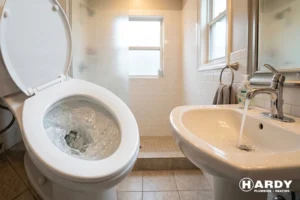
Step 4: Flush Toilets and Check Bathroom Fixtures
Bathrooms are often affected during seasonal shutdowns.
Check:
- Toilet flushing performance
- Tank refilling speed
- Water leaks near the base
- Sink drainage speed
Bathrooms are a key focus in any East End seasonal home plumbing startup checklist because unused fixtures can develop seal problems.
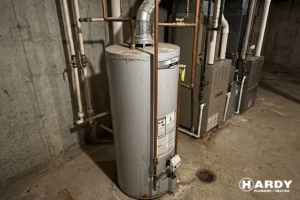
Step 5: Inspect the Water Heater Before Use
Your water heater should always be checked before restarting.
Look for:
- Rust around the tank
- Water pooling near the base
- Unusual noises during operation
Also, confirm the heater is filled with water before turning the power back on.
Many homeowners schedule a seasonal inspection with Hardy Plumbing and Heating to restart water heaters after winter shutdown safely.
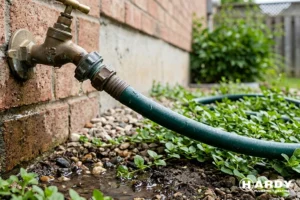
Step 6: Check Outdoor Plumbing and Hose Connections
Outdoor plumbing is especially exposed to freezing weather.
Inspect:
- Garden hose bibs
- Outdoor showers
- Irrigation connections
- Pool supply lines
Leaks outside can go unnoticed for weeks if not checked early. That is why outdoor systems are an important part of a complete house opening plumbing checklist for East End seasonal homes.
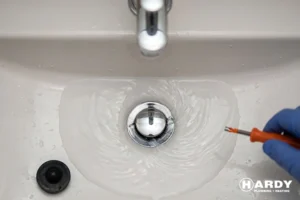
Step 7: Inspect Drains for Blockages or Odours
Unused drains sometimes develop odours or slow flow.
To fix this:
- Run water in all sinks and tubs
- Check basement floor drains
- Test kitchen disposal units
This helps refill drain traps and prevents sewer smells from entering the house.
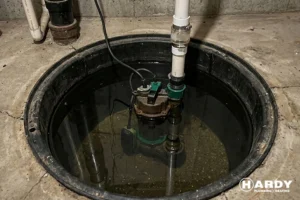
Step 8: Test the Sump Pump if Your Home Has One
Homes in coastal or low-lying areas of the East End often rely on sump pumps.
Test by:
- Pouring water into the sump pit
- Confirming the pump activates
- Checking discharge lines outside
This simple step protects your property from unexpected flooding during heavy rain.
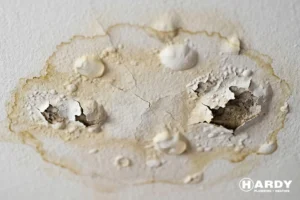
Step 9: Look for Hidden Signs of Plumbing Leaks
Even if everything appears normal, check for warning signs like:
- Musty smells
- Water stains on ceilings
- Warped cabinets
- Higher-than-usual humidity indoors
These signs may indicate slow leaks that started during the winter closure.
Scheduling a professional visit from Hardy Plumbing and Heating ensures your entire plumbing system is ready for the season ahead.
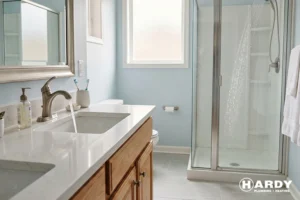
Step 10: Run a Full-System Final Check
After inspecting everything individually, run multiple fixtures together.
This helps confirm:
- Stable water pressure
- Proper drainage performance
- No hidden pipe stress
This final step completes your East End seasonal home plumbing inspection checklist and prepares your property for comfortable seasonal living.
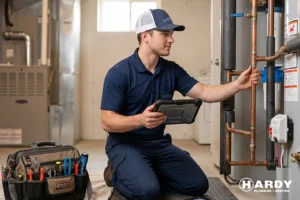
When to Call a Professional Plumbing Service
While many homeowners can complete basic checks themselves, professional support is recommended if you notice:
- Persistent leaks
- Low water pressure
- Water heater issues
- Outdoor plumbing damage
- Strange pipe noises
Our experienced teams at Hardy Plumbing and Heating help seasonal homeowners safely and confidently open properties each year.
Final Thoughts
Opening a seasonal property requires more than just unlocking the doors. A careful plumbing inspection protects your home from unexpected repairs and ensures everything works smoothly from day one.
Use this House Opening Plumbing Checklist for East End Seasonal Homes to enjoy your property with peace of mind. When you need professional help, trusted experts like Hardy Plumbing and Heating can make the process easier, safer, and more reliable every season.
FAQ for House Opening Plumbing Checklist for East End Seasonal Homes!:
Q1. What should a seasonal checklist include?
A. A seasonal home checklist should include checking the water supply, inspecting pipes for leaks, testing faucets and toilets, checking the water heater, cleaning drains, and inspecting outdoor plumbing.
Q2: What all do I need for a new house checklist?
A. A new house checklist should include checking plumbing, electricity, locks, appliances, water pressure, safety devices (smoke alarms), and cleaning supplies before moving in.
Q3: What are the things needed for a new house?
A. Basic needs include furniture, kitchen items, cleaning tools, lighting, curtains, bathroom supplies, and safety items like fire extinguishers and alarms.
Q4: What is the 20/30/40 rule for buying a house?
A. The 20/30/40 rule means:
- Spend 20% as a down payment
- Keep housing costs within 30% of income
- Keep total monthly expenses within 40% of income